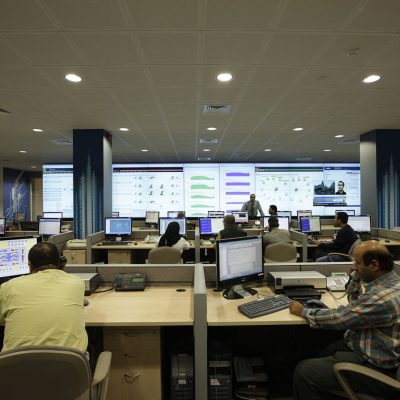
Inside large distribution warehouses, the riskiest moment for the robot fleet may be the handover between shifts. Engineers are redesigning how mobile robots carrying shelving units slow down, queue and report faults when human teams change over, after reviews found most delays clustered in those transition windows. Instead of stopping the whole floor, the new system staggers robots into holding lanes and flags any unit with a low battery or a misread shelf code. Supervisors get a single status board before the incoming shift starts. Early sites using the routine report smoother restarts and fewer stranded robots blocking aisles.
What the Evidence Shows
The change sounds modest but reflects a wider lesson in automation: machines perform best when the human routines around them are designed just as carefully. Workers are being trained to read robot traffic patterns the way forklift drivers once learned warehouse layouts. Safety teams welcome clearer holding lanes, which keep people and moving shelves apart during busy changeovers. Operators say the next step is better prediction, warning a shift in advance when a surge of orders will meet a fleet already low on charged units. Reliability, they argue, is built in these unglamorous minutes. Reporting and analysis from sources such as IEEE Spectrum track the same developments, and specialists following robot fleet shift handover routine say the direction is now consistent across independent lines of evidence.
The Wider Context
Adoption of robot fleet shift handover routine follows a familiar pattern with an unfamiliar speed. Early users tolerate rough edges in exchange for advantage, mainstream users arrive when the tool disappears into existing workflows, and the market consolidates around whoever made that transition feel effortless. Vendors are racing less on raw performance now than on integration, support and trust.
What Happens Next
The realistic forecast for robot fleet shift handover routine is steady integration rather than sudden replacement: embedded in products people already use, improving in increments, and regulated in proportion to its reach. The companies and institutions that plan on that basis, training staff and redesigning processes instead of chasing launches, are the ones the adoption data tends to vindicate. You can follow related developments in our coverage of technology.
It is also worth remembering how quickly the picture in this area has changed before. Positions that looked settled a few years ago have been revised as new data arrived, and the same humility is appropriate now. The strongest coverage of this subject, and the most useful advice, tends to come from sources that update their views openly when the facts move, rather than defending an earlier position long after it has stopped fitting the evidence available.
None of this will be settled by a single announcement, study or product launch. The pattern to watch is accumulation: independent confirmations, honest reporting of failures and steady improvement in the underlying numbers. Readers who follow those signals, rather than the loudest claim of the week, will understand this subject better than most of the commentary surrounding it suggests is possible.

Crypto Wallet Safety for Beginners Starts With Offline Backups