For a century, electricity systems worked in one direction: big power stations generated, and everyone else consumed, with supply adjusted to follow demand. Wind and solar power invert that logic. Generation now follows the weather, arriving in floods and droughts no operator schedules, and the grid — the wires, substations and software in between — is being rebuilt to flex in response.
The scale of the change is visible in the data tracked by the International Energy Agency, which has warned that grids are becoming the bottleneck of the energy transition: thousands of wind and solar projects worldwide wait for connections, while the copper and software needed to move their power lag years behind generation. Building more lines matters, but so does using existing lines more intelligently — which is where the ‘smart’ in smart grids earns its name.
Flexibility Is the New Capacity
A flexible grid treats demand as adjustable. Electric cars charge when the wind blows, heat pumps pause through a brief peak, industrial cold stores coast on stored cold, and home batteries discharge for an hour in the evening — each shift tiny, together amounting to a virtual power station. Operators such as National Grid now run schemes that pay households and businesses for exactly this responsiveness, turning what used to be a problem — variable demand meeting variable supply — into the solution itself.
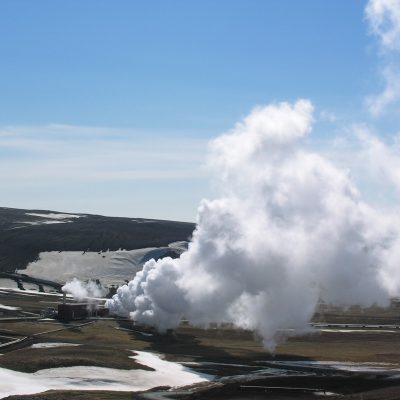
Sensors and software tie it together. Substations that once reported nothing now stream data; algorithms forecast tomorrow’s wind, sunshine and consumption street by street; and faults that once left engineers driving around looking for damage can locate themselves. Iceland’s grid, powered almost entirely by geothermal and hydro energy, faces a different version of the same challenge — balancing constant renewable sources against growing demand from industry, transport electrification and data centres — but the digital toolkit is strikingly similar.
The Obstacles Are Human
Technology is rarely the hardest part. Flexibility asks customers to trust an app with their car charger, regulators to rewrite rules written for the old one-way system, and companies to share data competitors once guarded. Cybersecurity becomes critical when millions of devices can be instructed at once; a flexible grid is also a larger target, and its designers know it.
There are fairness questions too. Households with batteries, cars and smart appliances can profit from flexibility; renters in flats with old meters cannot, unless programmes are designed deliberately to include them. The politics of the transition will be shaped by whether smart grids feel like a dividend shared or a game rigged for the well-equipped.
The Grid Becomes a Conversation
The shift under way is easy to miss because it happens in software updates and tariff menus rather than ribbon-cuttings, but we track it at Iceland Journal in our Energy Transition coverage of energy and technology: the grid is ceasing to be a delivery system and becoming a conversation between millions of devices, each negotiating when to take power and when to give it back.
Investment is finally responding to the diagnosis. Grid spending worldwide is climbing steeply after decades in which generation took the lion’s share, and supply chains for transformers, cables and switchgear — the unglamorous hardware of electrification — have become strategic industries in their own right, with waiting lists to match. Training has had to follow: the smart grid needs power engineers who can code and software engineers who respect high voltage, a combination universities are scrambling to produce. Where that workforce and hardware arrive on time, connection queues shorten; where they do not, even the cheapest solar farm is just a field of glass waiting for permission.
The prize for getting it right is large — a system that absorbs far more renewable energy on the wires already built, defers billions in new infrastructure, and shrugs off weather that would once have been a crisis. The old grid flexed by burning more fuel. The new one flexes by thinking. On a windy island in the North Atlantic, where the weather has always set the terms, that sounds less like a novelty than like common sense arriving on schedule.

Other Articles
Scientists Race to Monitor a Slowing Ocean Conveyor