Stand outside on a January night in Reykjavík and the secret is under your feet. Iceland heats around nine in ten homes with geothermal water, generates a large share of its electricity from steam, and does it so cheaply that pavements in the capital are warmed to melt the snow. The energy system described across our science and environment pages began as a pragmatic response to imported coal and oil — and has become the foundation of Iceland’s climate identity and its newest industries.
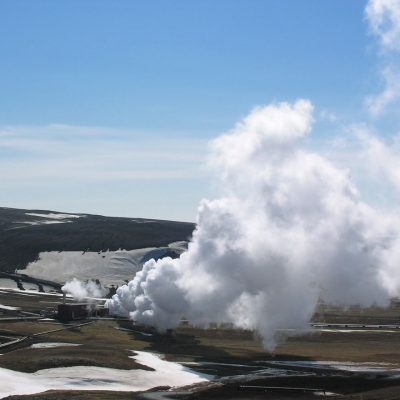
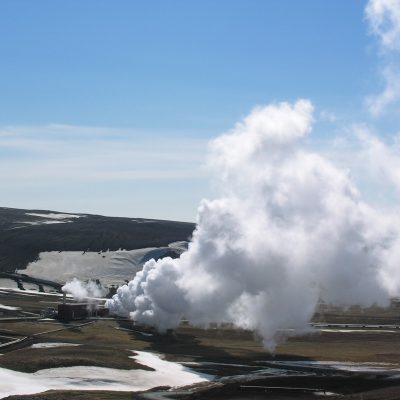
The geology is the gift. Sitting on the rift between two tectonic plates, Iceland has hot rock close to the surface, and wells drilled a few kilometres down return steam hot enough to spin turbines and water warm enough to heat whole districts. Swimming pools — the country’s beloved outdoor lagoons, filled with geothermal water and open all year — are simply the most visible dividend.
From heating homes to hosting industries
Cheap, clean power built Iceland’s aluminium industry and now attracts newer tenants: greenhouses growing tomatoes under LED lights through the dark winter, fish farming on land, and data centres cooled by Arctic air. The newest arrivals are carbon-removal plants that pull CO₂ from the air and mineralise it in basalt — an industry that exists at scale only where clean energy is abundant enough to run it.
The International Energy Agency’s Iceland profile credits the geothermal transition with turning one of Europe’s most oil-dependent economies into a renewables leader within two generations, a path studied by every country sitting on hot rock of its own.
The questions growth brings
Success creates competition for the resource. Energy-intensive newcomers can bid up power prices, and Icelanders debate who their steam belongs to — households, heavy industry, or export cables that have been proposed and argued over for decades. Reservoir management matters too: steam fields must be drawn at rates the geology can sustain, with reinjection of cooled water now standard practice.
The hot water society
Geothermal wealth expresses itself in small civilities. Outdoor pools in every town, open through the blizzard, function as the national living room — the place where politics is argued, romances begin and mayors are buttonholed in the hot pot. Greenhouses under the northern dark grow the tomatoes and cucumbers Iceland once imported entire. Pavements in the capital wake up snow-free. Foreign visitors read these as luxuries; Icelanders describe them as the ordinary dividends of choosing, in the oil-shocked 1970s, to drill into their own volcanoes rather than keep importing fuel. The lesson travelling delegations take home is less about geology than about nerve: the resource was always there. What Iceland added was the decision to build a society’s comfort directly on top of it.
For visitors, the story is easiest to grasp with your shoulders in a hot lagoon while snow falls on your hair. Iceland did not choose its geology, but it chose, deliberately and early, to build a warm, well-lit society on top of it — and the rest of the world keeps arriving to see how it was done.

Other Articles
Iceland’s Volcano Tourism Enters a Careful New Era