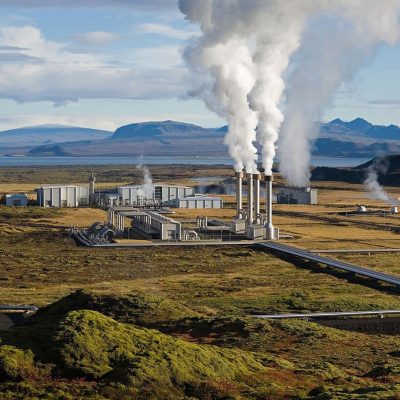
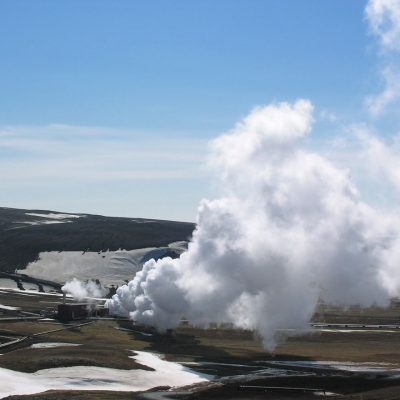
Volcano monitoring in Iceland has become a model of practical science, combining satellite radar, gas sensors, GPS stations and webcams into alerts that civil protection teams trust. The systems track ground swelling millimetre by millimetre, often signalling magma movement days before an eruption begins.
Why It Matters Now
volcano monitoring illustrates how patient, cumulative research changes what we know. No single experiment settles the question; instead, teams share data, repeat measurements and test each other’s models until the picture sharpens. New instruments are helping, collecting observations that were impossible a decade ago, but researchers stress that instruments alone are not enough. Careful interpretation, open data and honest discussion of uncertainty are what turn raw measurements into knowledge that other scientists and the public can trust.
Recent eruptions near populated areas tested that network under real pressure, guiding evacuations that kept people safe while lava flows were directed away from key infrastructure where possible. Geologists stress that prediction remains probabilistic: monitoring narrows the possibilities, but volcanoes retain the final say on timing.
What Experts Are Watching
The work behind volcano monitoring spans continents and disciplines. Field teams gather samples and observations, theorists build models to explain them, and engineers design the next generation of sensors. Funding agencies increasingly require the results to be published openly, which lets smaller universities join major projects. That openness speeds progress and scrutiny alike: mistakes are found faster, promising leads are followed sooner, and the strongest conclusions are the ones that survive repeated, independent checking.
Several questions remain open, and honest reporting should say so. Timelines may slip, costs may rise and early results may not generalise to every place or person. That uncertainty is not a reason to ignore the story; it is a reason to follow reliable sources and update conclusions as evidence arrives. The strongest coverage will keep explaining what is known, what is estimated and what nobody yet knows, so readers can make decisions without false confidence or unnecessary alarm.
Context also matters historically. Similar shifts in earlier decades followed a recognisable pattern: early excitement, a period of disappointment as costs and limits became clear, then steady improvement as standards, training and infrastructure caught up. Remembering that pattern helps readers judge today’s claims proportionately. It neither guarantees success nor predicts failure, but it does suggest that patient, well funded work tends to outlast both hype and cynicism, and that the most durable benefits often appear in ordinary places rather than launch events.
There is also a human side that statistics can miss. Behind every figure are people adjusting routines, retraining, moving money or changing plans in response to new information. Their experience is a useful test of whether a trend is real: when change reaches kitchens, clinics, classrooms and workshops, it has usually passed beyond speculation. Listening to those voices, alongside official data, gives a fuller and fairer picture of what is actually happening and who is being helped or left behind.
Readers can follow our science coverage for further updates on this story, and compare the details with reporting from Nature. As volcano monitoring continues to develop, we will update this article with verified figures, named sources and reaction from the people most affected, so the record stays clear, accurate and useful for everyone following it closely.

Other Articles
Arctic Shipping Routes Open New Trade Questions